- Home
- Florence on a Budget
How to Visit Florence on a Budget: Proven Tips to Save Money
Visiting Florence on a budget is possible, if you know the secrets!
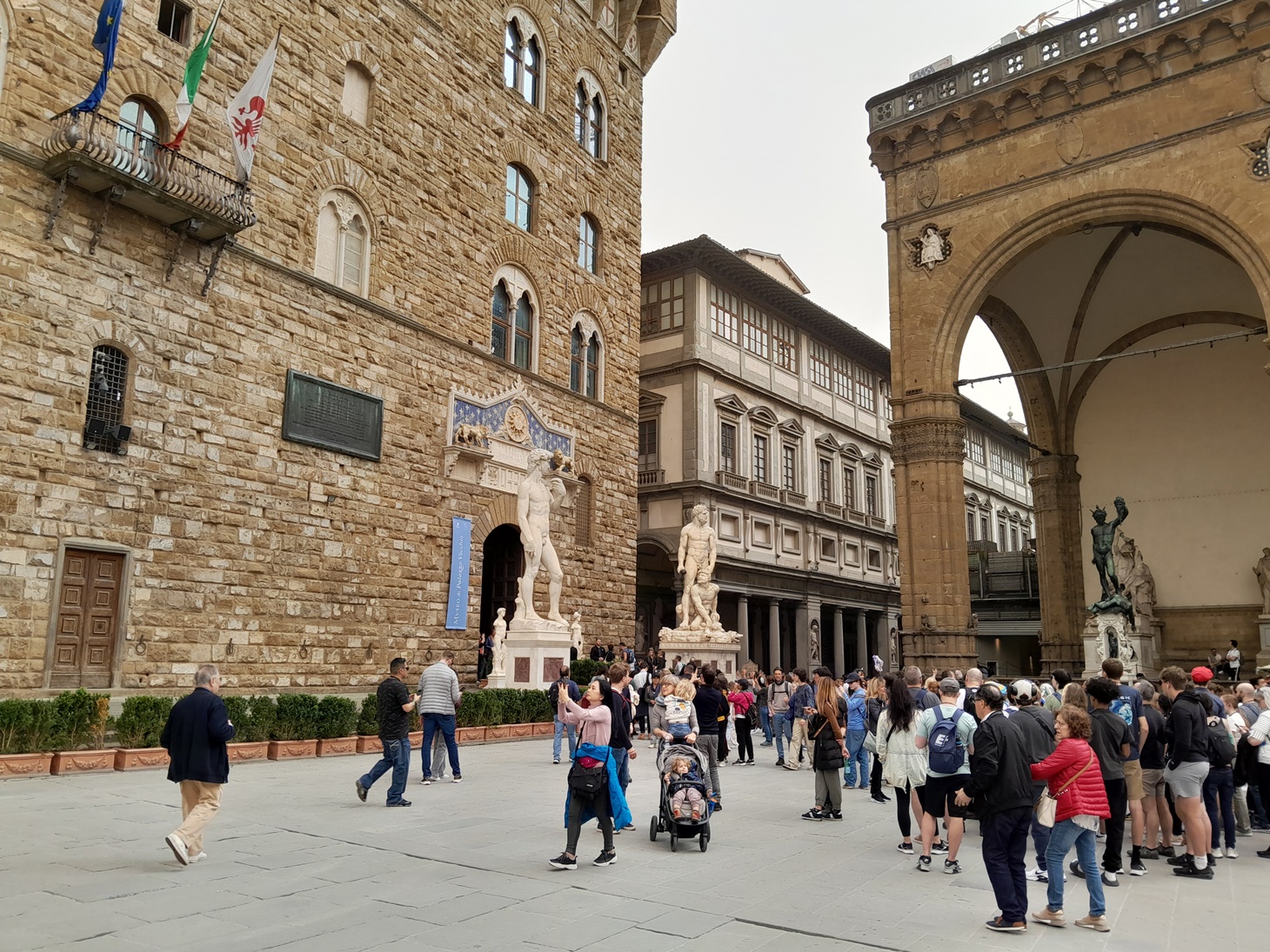
How to visit Florence on a budget
After visiting Florence many times in recent years, we’ve picked up plenty of insider tips for exploring it on a budget.
We know the best time to visit to save money, where to stay for less, how to cut costs on sightseeing tickets, and how to eat well without overspending.
Follow our simple guide to exploring Florence on a budget.
- Best time to visit Florence on a budget
- Average daily budget for Florence
- Tips for saving on accommodation
- Cheap and free things to do in Florence
- How combo tickets cut costs in Florence
- Where to eat cheaply in Florence
- How to shop cheaply in Florence
- Top ways to save money in Florence
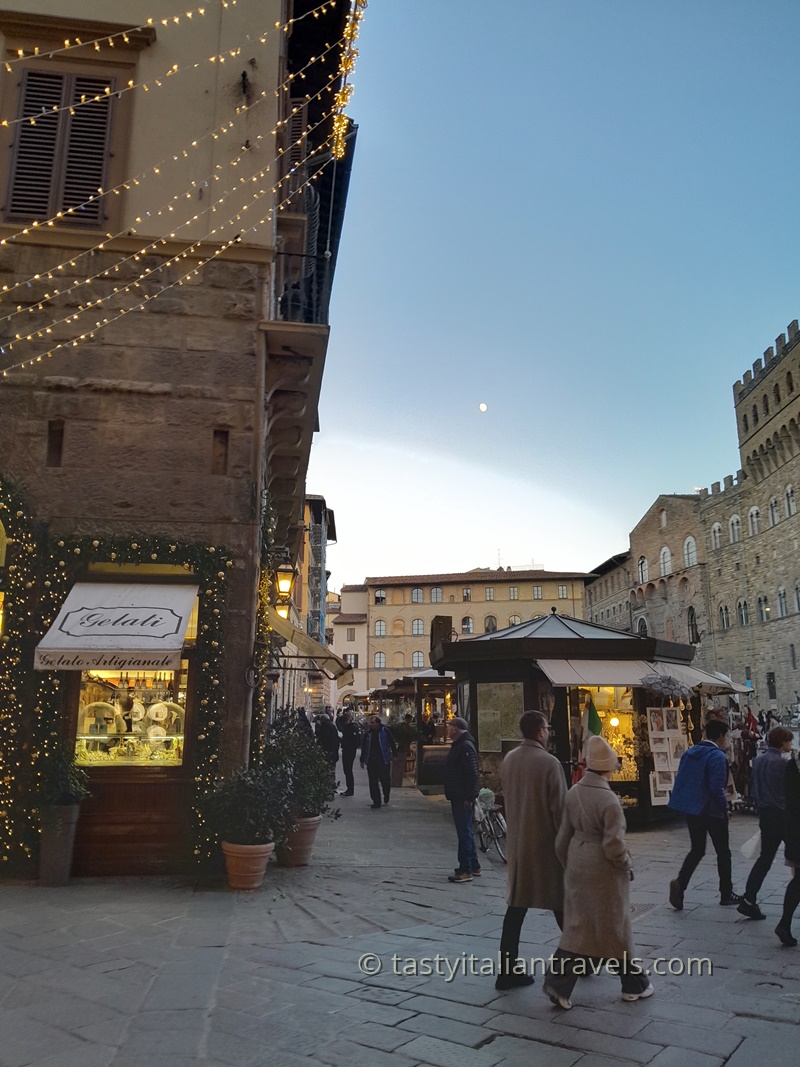 We love erly December in Florence—festive lights are up, the crowds are lighter, and the whole city feels quietly magical
The best time to visit Florence on a budget: Winter months + August
🗓️ Cheapest months
Mid-November to mid-December, and January–February to mid-March
🎄 Holiday exception
December 20 to early January – prices rise sharply
🛏️ Hotels & B&Bs
Typically 20–30% cheaper than in summer. Rooms that cost €150–€250 in peak season can drop to €90–€150 in winter
☀️ August tip
Slightly cheaper as many locals leave the city for summer holidays
Best Florence Combo Tickets & Passes 👇
Average daily budget for Florence (1 persons)
- Budget travel (€60–€90/day): Stay in a simple guesthouse or apartment and eat at bakeries or casual trattorias
- Mid-range (€120–€200/day): Comfortable hotels, restaurant meals, museums, and guided tours
- Luxury (€200+/day): Boutique hotels, fine dining, and private tours
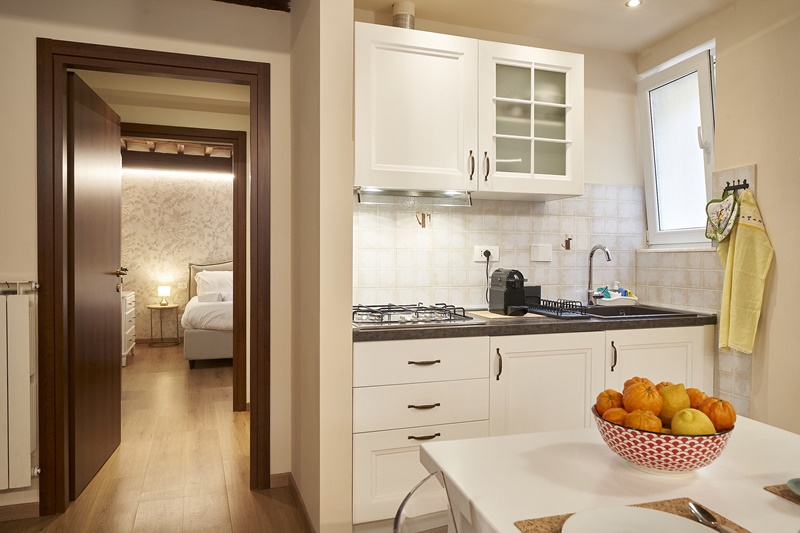
Best tips for saving money on accommodation in Florence
Let’s be honest—accommodation in Florence can eat up a big chunk of your budget. The good news? With a few smart choices, you can still stay somewhere great without overspending.
Travel outside peak season (November until April)
Florence is at its most expensive from May to October. If you can, plan your trip for late autumn or winter when prices drop and the crowds thin out. You’ll often find the same rooms for a fraction of the summer cost.
Book early (or last minute, if you’re flexible)
Prices tend to rise quickly as demand increases, especially for well-rated places in central locations. Booking a few months in advance can lock in better rates—though if your plans are flexible, last-minute deals sometimes pop up too.
Stay just outside the historic centre
While it’s tempting to stay right in the heart of the city, accommodation just outside the centre is usually much cheaper. Florence is compact and walkable, so you won’t be far from the main sights anyway.
Choose apartments or guesthouses
Apartments are often better value, especially for longer stays or if you’re travelling with others. You’ll usually get more space, a kitchen, and a more local feel—often at a lower price than hotels.
Compare and be flexible
A small shift in dates—even by a day or two—can make a noticeable difference in price. It’s worth checking a few options before booking.
With a bit of planning, finding affordable accommodation in Florence is absolutely doable—without sacrificing comfort or location.
💡 Our tip: book your Florence accommodation at least 4–5 months in advance, especially if you’re visiting during high season. The best places sell out quickly, and prices only go up closer to your travel dates.
Find your perfect stay in Florence!
Money-saving tips for sightseeing in Florence
Visiting Florence on a budget doesn’t mean missing out—many curated tours are discounted online, helping you skip lines and save money. Check the latest deals here!
Sightseeing in Florence is generally more affordable than accommodation, but ticket prices can still vary depending on the season and demand. If you’re planning to visit the city’s top attractions, it’s worth budgeting in advance.
- Uffizi Gallery: Tickets cost around €12 in the off-season and about €25 during peak months (March–October)
- Other attractions: Museums and historical landmarks usually range from €10–€20 per ticket
- Churches: Many are free, though some charge a small fee for special areas
💡 Our tip: Book tickets online in advance to skip lines and secure entry, especially in high season.
- City tours and cooking classes: Some companies offer early deals—if you book in April for summer/fall, you can save up to 50%—so planning ahead can save you quite a bit.
- Combo tickets: A great way to save if you want to visit multiple attractions. We’ve picked 4 of the most useful ones—click here.
Below, you’ll find tips on how to enjoy sightseeing in Florence for less.
Sightseeing for less - 11 cheap (or free!) things to do in Florence
While many of Florence’s highlights are free, it’s worth choosing one or two paid experiences—and you don’t have to overspend. Browse hand-picked Florence tours currently on sale here to keep your trip within budget.
1. Admire the Duomo – For free!
The lines to enter the famous Florence Cathedral (Duomo) are almost always long—but trust us, it’s worth the wait. Entry to the cathedral itself is completely free, and once inside, you’ll be able to admire the stunning interior and look up at Brunelleschi’s magnificent dome from below.
If you want to climb the dome or the bell tower for those breathtaking panoramic views, you’ll need to purchase a separate ticket—but simply stepping inside the cathedral is already a must-see experience that won’t cost you a thing.
2. Explore every corner of Piazza della Signoria
Every time we wander Florence’s historic center, we can’t resist Piazza della Signoria. This timeless square is like an open-air museum—free to explore, with incredible sculptures like a replica of Michelangelo’s David and Perseus with the Head of Medusa.
One of our favourite things to do is sit on the cool marble benches beneath the Loggia dei Lanzi, a completely free way to watch daily life unfold under the ancient arches. The square is full of energy—street performers, locals chatting, and tourists marveling at the masterpieces—yet it still feels intimate and relaxing.
For a little indulgence, we often pick up a pastry from a nearby café and stroll the piazza with it in hand, but even without spending a cent, just soaking in the atmosphere, admiring the statues, and watching the world go by is a perfect Florence experience.
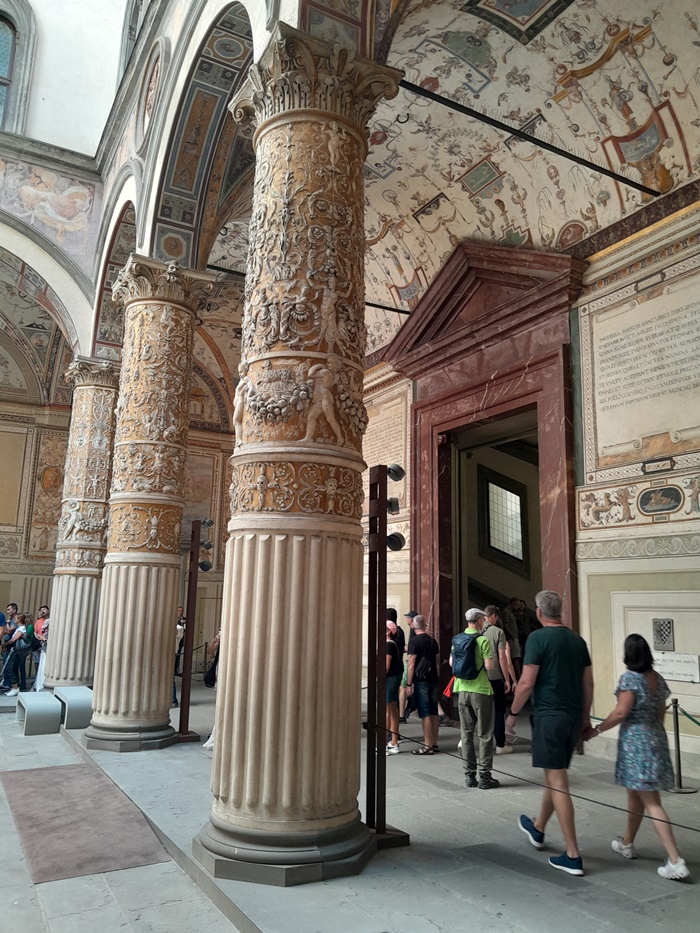
3. Don’t Miss the Courtyard at Palazzo Vecchio
As you walk through Piazza della Signoria, you’ll probably see people heading through the gate of Palazzo Vecchio. They’re going in to see the first courtyard—and it’s definitely worth a quick stop.
The space is open, peaceful, and a beautiful example of Renaissance architecture. We love the elegant arches, decorated columns, and all the little stone carvings that give it so much character.
Right in the middle, there’s the Putto with Dolphin fountain, a small bronze statue that’s fun and a little unexpected in such a grand setting. It’s also a great spot to take a few selfies or just relax for a minute.
Even if you’re not visiting the museum, the courtyard is free to enter, and it only takes a few minutes to enjoy. It’s a lovely hidden corner of Florence we always come back to.
2. Catch a sunset from Piazzale Michelangelo
Want the best view in town? Head up to Piazzale Michelangelo at golden hour. It’s a bit of a climb, but your reward is a sweeping view of Florence’s skyline, with the Duomo, Arno River, and Ponte Vecchio all glowing in the Tuscan light.
3. Visit major museums for free (once a month)
On the first Sunday of every month, state museums like the Uffizi Gallery and Galleria dell'Accademia open their doors to everyone—for free! Arrive early to avoid the lines.
4. Stroll across the Ponte Vecchio
One of Florence’s most famous landmarks, the Ponte Vecchio is lined with glittering jewelry shops. You don’t have to buy anything—just enjoy the charm, street musicians, and views over the Arno River.
5. Wander through the Rose Garden
Just below Piazzale Michelangelo is the Giardino delle Rose, a peaceful garden with sculptures by Jean-Michel Folon and hundreds of blooming roses. It’s the perfect place for a quiet break.
6. Discover street art in the Oltrarno
Cross the river into the Oltrarno district and you’ll find artisan shops, cozy cafés, and some of Florence’s most vibrant street art. It’s Florence with a local, lived-in feel—and totally free to explore.
7. Visit San Miniato al Monte
Skip the crowds and visit San Miniato al Monte, a stunning Romanesque church perched above the city. It’s even higher than Piazzale Michelangelo and offers a more peaceful atmosphere—and equally impressive views.
8. Browse Mercato Centrale
Whether you’re hungry or just browsing, Mercato Centrale is a feast for the senses. Downstairs is full of traditional market stalls, while upstairs is a buzzing food court with cheap, tasty meals.
9. Officina Profumo - Farmaceutica di Santa Maria Novella
Called the oldest pharmacy in the world but it is actually a glorious old-world perfume boutique. Not just for the perfumes out on display but the ambience and architecture are worth the visit alone.
10. Enjoy free performances in Piazza della Signoria
This historic square is essentially an open-air museum, complete with statues by Renaissance greats—and often lively with street musicians, mimes, and artists performing throughout the day.
11. Join a (very) cheap walking tour
Florence is layered in history, and tip-based walking tours are a fantastic way to learn about it. You'll find plenty of daily options—just book online or show up at meeting spots in major piazzas.
Florence proves that you don’t need to spend a fortune to immerse yourself in art, history, and romance. With a pair of comfy shoes and a curious spirit, the city opens up in the most magical ways—no splurge required.
🎁
We always look out for Florence tours on sale—just click here to book!

How combo tickets can help you save in Florence
Combo tickets let you visit multiple attractions-museums, churches, and sights, while saving money. These combo options can cut costs and reduce queueing, especially in the busy season:
3 Top Florence Passes and Combo Tickets:
-
🎟️ The Firenze Card (3-day pass)
The Firenze Card gives you 72-hour access to over 70 museums and cultural sites for €85. It’s a great option if you’re planning to explore Florence intensively and visit multiple attractions each day. However, if your itinerary is lighter, it may not offer the best value. - 🖼️ Florence: Uffizi, Pitti Palace & Boboli Gardens (5-day pass)
This extended pass allows you to explore three of Florence’s cultural highlights at a relaxed pace. You can visit the world-famous Uffizi Gallery, the historic Pitti Palace, and the beautiful Boboli Gardens over five days, giving you plenty of time to enjoy each site without rushing. -
⛪ Brunelleschi’s Dome Climb & Cathedral Complex (3-day pass)
This ticket includes skip-the-line access to the dome of the Cathedral of Santa Maria del Fiore. Over three days, you can also visit the Baptistery, Cathedral Museum, and Bell Tower for a full experience of Florence’s religious and architectural highlights.
Smart ways to save money on food in Florence
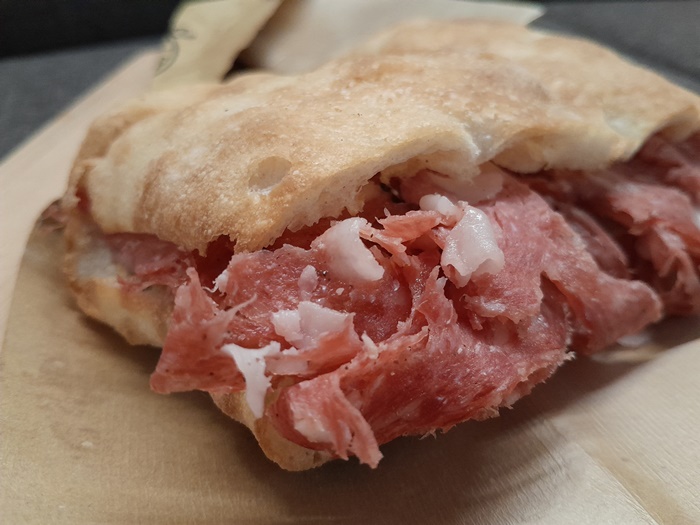
Eating well in Florence doesn’t need to be expensive if you know a few local tricks.
Street food is one of the best budget options—try a lampredotto sandwich or a simple panino from stalls or places like Mercato Centrale near Basilica di San Lorenzo. Spots like I’ Girone De’ Ghiotti near Piazza della Signoria offer fresh, filling sandwiches for around €6.
For breakfast, do as locals do: grab an espresso or cappuccino with a pastry at a bar. It usually costs €3–€5.
Local bakeries are great for cheap snacks. Places like Forno Canapa near San Lorenzo Market sell coccoli and other baked goods at good prices.
For a quick lunch, go for “pranzo al volo”—a focaccia or slice of pizza from a café or bakery, typically €5–€7.
Avoid restaurants in main tourist squares. Instead, head to neighbourhoods like San Frediano or Santa Croce for better prices and more authentic food.
Look for “menu del giorno” in trattorias, which offers a set meal (starter + main, sometimes extras) for about €10–€15.
Finally, Mercato Centrale is worth visiting for both eating and buying fresh ingredients if you want to cook.
Best panino places in Florence:
- Pinos Sandwiches – Salumeria Verdi (Via Giuseppe Verdi, 36R)
- Panini Toscani (Piazza del Duomo, 34/R)
- I Fratellini (Via dei Cimatori, 38/R)
- Da’ Vinattieri (Via Santa Margherita, 4/6R)
- SandwiCHIC (Via S. Gallo, 3R)
Budget-friendly transportation in Florence
- 🚶 Walk Everywhere: Florence is extremely walkable, and most main attractions are close together. Exploring on foot lets you absorb the culture and atmosphere.
- 🚌 Public Transport: Buses and trams are available if needed.
- 🚋 T2 Tram Line: The easiest way to travel between the airport and the city center.
- 🎟️ Tickets: Single-ride tickets are valid for 90 minutes and cost €1.20. Buy from authorized vendors like tram stops, cafés, newsstands, or tobacco shops (look for the “Autolinee Toscane” sticker).
- ✅ Validation: Remember to validate your ticket using the stamping machines once you board.
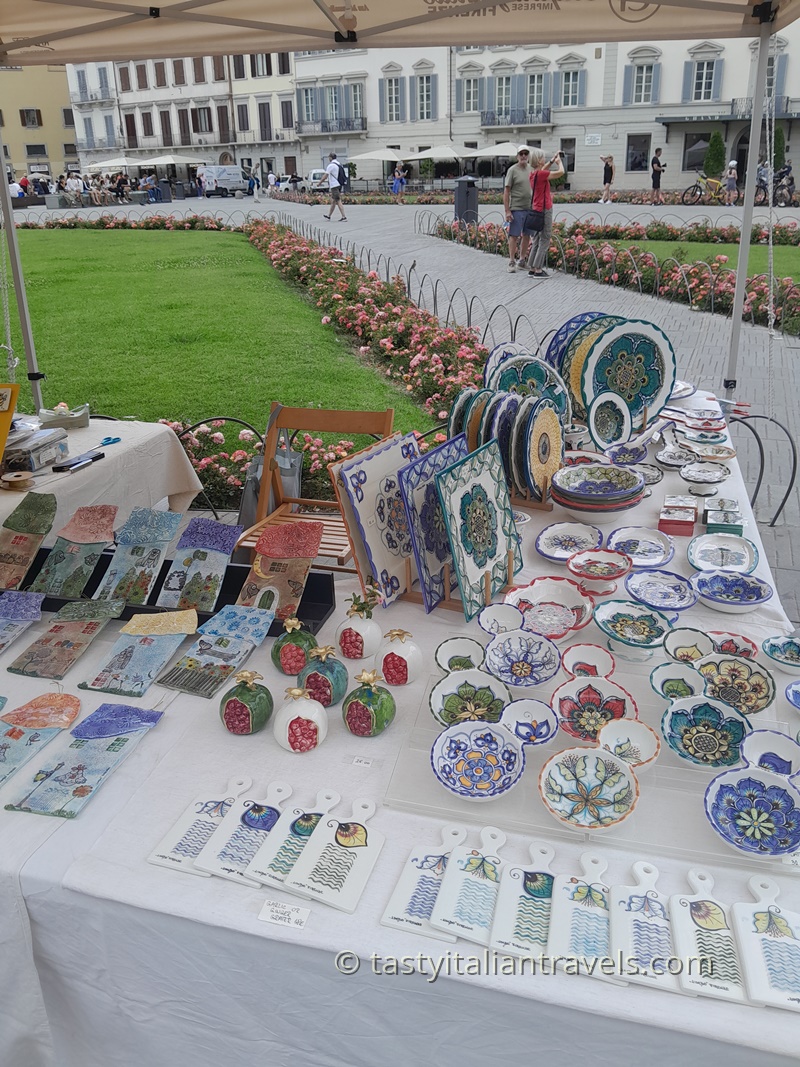 Colourful souvenir stalls in Piazza di Santa Maria Novella offer plenty of affordable finds
Is shopping in Florence expensive?
Florence is great for shopping, from luxury fashion to affordable souvenirs.
If you want to splurge, you’ll find designer boutiques and high-end Italian brands in the city center.
But there are also plenty of budget-friendly options like handmade scarves, leather bags, and small crafts in family-run shops.
Some of the best souvenirs are food items—olive oil, balsamic vinegar, biscotti, honey, and local cheeses. They’re high quality and often better value than typical tourist gifts.
Cheap and easy keepsakes include postcards, small art prints, and stationery inspired by Renaissance art, which you’ll see near museums and piazzas.
Florence is also known for leather goods, but smaller items like keychains, coin purses, and bookmarks (especially around San Lorenzo Market) are much more affordable.
Street markets are ideal for bargains like magnets, tote bags, and scarves. Prices usually drop quickly once you move a few streets away from major attractions.
Major tips to save money in Florence
- 💰 Travel in the low season: November–mid-March (except holidays) for cheaper accommodation
- 🏠 Book early: Secure the best hotel or apartment rates
- 🍝 Eat like a local: Try trattorias, bakeries, and street food instead of touristy restaurants
- 🖼️ Mix paid and free attractions: Many churches, squares, and scenic walks are free
- 🚶♂️ Walk the city: Florence is compact, so you can save on transportation
- 🛍️ Shop smart: Buy souvenirs outside main tourist streets for better prices
-
💳 Use a travel-friendly debit card: Use cards like Wise, to get better exchange rates and lower fees abroad
Find your perfect stay in Florence!
Read More Italy Travel Guides
Where to Eat in Rome: Our Personal Guide
Bologna Food Tour Guide: 6 Tours Travellers Love
What to see in Rome in One Day: Perfect Itinerary + Insider Tips
Best Cooking Classes in Italy by City: 14 We Love Most
What to Do in Bergamo: Our Travel Tips for 2026
Within this webpage there are some affiliate links for products and services. For more details click here.

What’s buzzing in Italy
-
Uffizi Reviews: What We Loved + Guide for Visiting (2026)
Sep 14, 26 04:46 AM
 Planning a visit to the Uffizi Gallery? Read our honest Uffizi reviews, what we loved, and must-know tips for visiting this world-famous Florence museum.
 -
One Day in Milan (2026): What to See, Do & Eat
Sep 14, 26 04:29 AM
 Only have one day in Milan? Discover the must-see attractions, best shopping options, and local dining recommendations to make the most of your 24 hours in the city.
 -
What to See in Rome in One Day: The Ultimate Itinerary, Tours & Tips
Sep 14, 26 04:27 AM
Discover what to see in Rome in one day with this first-time visitor itinerary covering the Colosseum, Roman Forum, Trevi Fountain, Pantheon, Piazza Navona and more. -
Bari to Monopoli 2026: Train & Transfer Options
Aug 15, 26 02:48 AM
Our Bari to Monopoli and back experience from last year. The train was the best and easiest way to travel, with beautiful coastal views along the way. -
Our Guide to Where to Stay in Rome
Aug 07, 26 02:22 PM
Not sure where to stay in Rome? We share our favorite areas and personal tips, from the Colosseum and Pantheon to the Vatican Museums and Trastevere. -
LivTours Rome Golf Cart Tour Review (2026)
Aug 02, 26 06:07 AM
Read our LivTours Golf Cart Tour in Rome review (2026). Find out if this guided tour is worth the price, what to expect, and our honest experience. -
24 Best Italy Food Tour Experiences (By City) - 2026 Guide 🍕
Jul 09, 26 07:19 AM
 Discover the best Italy food tours for 2026 — from Florence and Rome to Bologna and beyond. Experience authentic Italian cuisine, meet local guides, and book your perfect Italian food tour adventure t…
 -
6 Best Food Tours in Rome for 2026 - Our Top Picks 🍕
Apr 13, 26 05:42 AM
 Looking for the best food tours in Rome to take in 2026? Read our freshly updated reviews of Rome food tours we’ve tried and loved.





Note!
© TastyItalianTravels.com.
All rights reserved.
All images and content on this website are copyright protected. Please do not use our images and text without our permission.
Thank you!