- Home
- Best Time to Visit Rome
The Best Time to Visit Rome: A Complete Seasonal Guide
 The Colosseum is always a popular sight, no matter what season you visit Rome
This isn’t just another guide about the best time to visit Rome!
Over the past 10 years, we’ve returned to the Eternal City in different seasons.
Each visit has given us a new perspective on Rome.
In this guide, we’ll share what to expect throughout the year, from the weather and crowds to accommodation prices.
So you can find the best time for your trip.
Read through our guide to find out about:
- Best time to visit Rome depending on your travel style
- The quieter part of year to visit Rome
- Visiting Rome in spring
- Visiting Rome in summer
- Exploring Rome in autumn
- Going to Rome in winter
When is the best time of year to visit Rome, Italy?
- For the most pleasant weather, visit Rome in April, May, September, or October
- For fewer crowds, visit in January, February, or March, then again from mid-November through late December
- For the most events and festivals, visit between June and August
- For outdoor dining and nightlife, visit from mid-April through September
- For budget travel, late autumn and winter are usually the best times to visit Rome
When to visit Rome for fewer crowds
If you’re hoping to visit Rome when it’s quieter, the window is smaller than you might think.
Rome tends to be busy from mid-March through mid-November.
The traditional low season runs from mid-November to mid-February, although the holiday period can still be busy.
For a genuinely quieter experience, visit during the third week of November, between December 1 and 24, or anytime from January 7 through February.
Keep in mind that even these periods are becoming busier as more travellers discover the benefits of low season.
Visiting Rome in spring (from mid-March through mid-June)
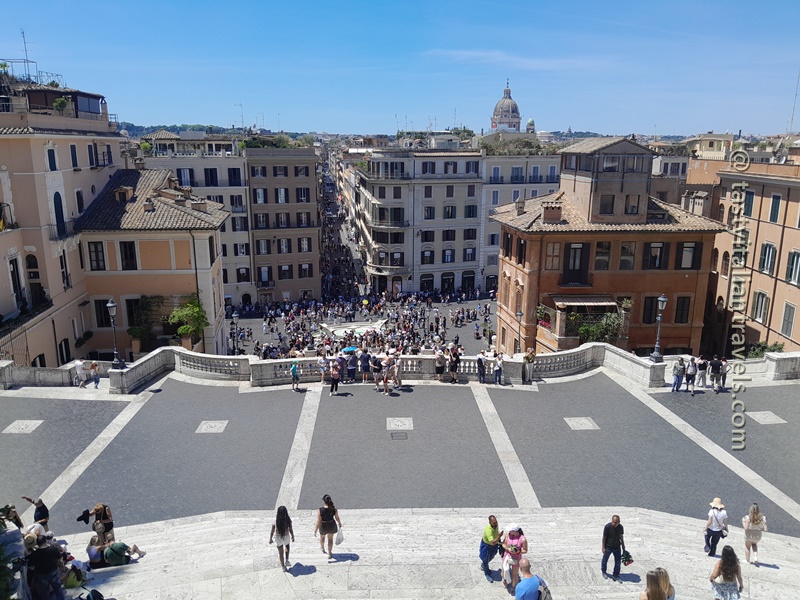
Spring is one of the best times to visit Rome.
The weather is pleasant, the city starts to come alive after winter, flowers bloom in parks and gardens (Spanish Steps decorated with azaleyas are amazing) and everyone slowly moves back to outdoor cafés and terraces.
Ideal to explore the city on foot and enjoy everything Rome has to offer.
But not every spring month feels the same.
Late March and April are when spring really starts to show.
Temperatures are usually around 16–18°C, the days get longer, and it’s much more enjoyable to spend hours walking around the city.
You might still need a light jacket, especially in the evenings, but it’s a great time for sightseeing.
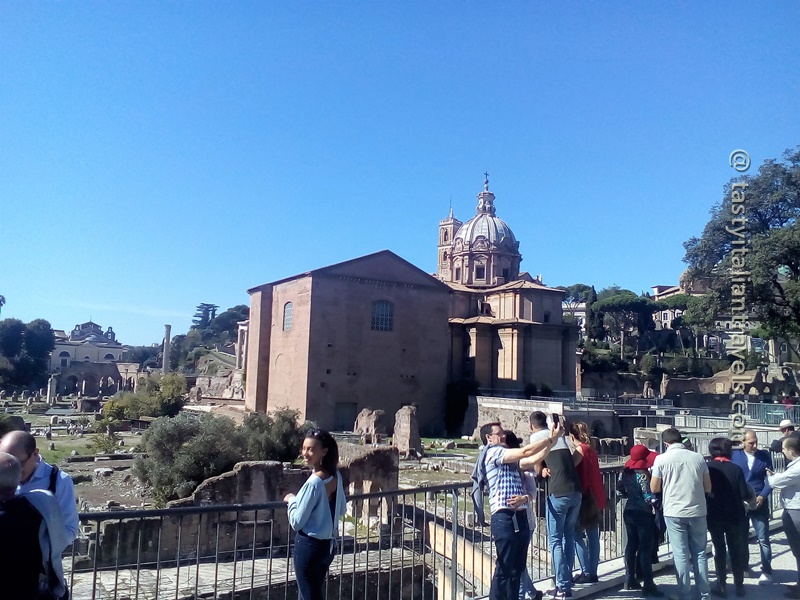 Spring is perfect for sightseeing in Rome, with mild weather
May is a little warmer, with temperatures often reaching 20–24°C. It’s perfect for visiting the Colosseum, the Roman Forum, or exploring the ancient Appian Way.
You can enjoy long walks, lunch outdoors, and a coffee in one of Rome’s beautiful piazzas.
The only downside? May is a popular month to visit, so expect bigger crowds at the main attractions and higher prices for hotels and apartments.
Late May and June start to feel like summer, with temperatures around 25°C or higher.
We visited Rome at the end of last May, and it was already 31°C!
The city is buzzing with life, evenings are longer, and outdoor aperitivo is a must. For example, in the first half of
June it’s warm enough to eat outside but not typically super humid yet. So while June may be labeled as a busy time - it’s more so the 2nd half vs first half.
So, when should you visit?
If you prefer cooler weather and a more relaxed atmosphere, go for April. May is great if you want warmer days, while June is perfect if you love that early-summer feeling.
Is Easter a good time to visit Rome?
Easter falls in March or April, bringing pilgrims and visitors from around the world to Rome.
Thousands gather in St. Peter’s Square for the Pope’s Easter Mass, while the traditional Way of the Cross (Via Crucis) takes place at the Colosseum on Good Friday.
It’s a special time to visit, but if you’re not planning to join the celebrations, you might want to avoid this period due to large crowds and higher accommodation prices.
Top reasons for visiting Rome in spring
- Beautiful weather with longer days
- Lively atmosphere with lots of outdoor activities
Here’s what we’d book if we were visiting Rome in spring
- Golf Cart Tour around Rome - ideal way to see as much as possible in short time, took it recently (May 2026) and loved so much - see review!
Visiting Rome in summer (July, August and September)
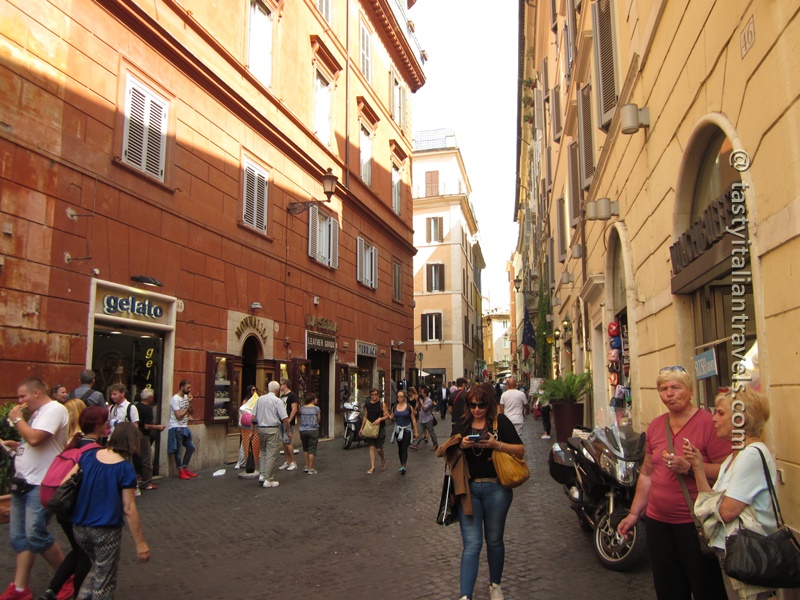 We love wandering through Rome’s Centro Storico on summer mornings, before the streets get busy
People often say summer isn’t the best time to visit Rome.
We actually think the opposite!
Every year, we find ourselves coming back to Rome in summer to enjoy its lively atmosphere, long days, and, of course, all the amazing food.
We always say that summer gives you two days in one. You can explore in the morning, take a break during the hottest hours, and head out again in the evening.
Sure, places like Piazza Navona and the Pantheon can get crazy busy in July and August. We’ve seen it ourselves!
But here’s the thing: once you wander away from the main sights, you’ll often find quieter streets, shorter lines, and a much more relaxed atmosphere.
That’s why we love visiting the famous landmarks early in the morning and spending the rest of the day exploring other parts of the city.
And honestly, that’s when Rome gets really interesting. You’ll discover lovely local restaurants, little gelaterias, independent shops, and charming neighbourhoods that make you fall in love with the city all over again.
From mid-June to the end of September, Rome is made for enjoying life outdoors.
Spend your days sightseeing, for example the colosseum, vatican or borghese gallery, then slow down in the evening with a relaxing stroll through the city, an aperitivo in a lively piazza, or a delicious dinner on a terrace under the stars.
Special things you can do only in summer in Rome
Summer also brings special experiences, such as evening visits to the Colosseum and the Vatican Museums, when these famous places feel even more magical.
Add peaceful walks through Rome’s parks, open-air concerts, and opera performances under the night sky, and it’s easy to see why summer can be such a wonderful time to visit the Eternal City.
How we organise our summer days in Rome
In summer, we usually stay somewhere a little off the beaten path, such as near Termini (Sophie Terrace Hotel is our first choice) or in Prati (Otto Rooms is our latest find).
We usually head out to explore, visiting places like the Colosseum or one of Rome’s many museums, and then return to the area around our hotel for lunch.
After that, we take a break for a couple of hours, usually until around 5 PM, before heading out again to explore more of the city.
Top reasons for visiting Rome in summer
- The days are very long - daylight until 9pm so you can sease the day
- Many live events, like concerts, summer cinemas etc
- Evenings are ideal for alfresco dining along Rome
Best Rome activities for summer
- First entry Colosseum & Roman Forum Tour with arena access
- A foodie tour through Trastevere in the early evening
Autumn in Rome: From late September to Mid-December
We love also autumn in Rome. It's one of the most popular times for many visitors.
The weather is still comfortable, the summer crowds start to thin out, and the city takes on a more relaxed and welcoming feel.
We love wandering through the streets, enjoying long lunches, and taking in Rome at a slower pace.
There’s a higher chance of rain, but honestly, Rome is beautiful in the rain, too. And when the rain stops and you get to wander the streets almost all by yourself, it makes it all worth it.
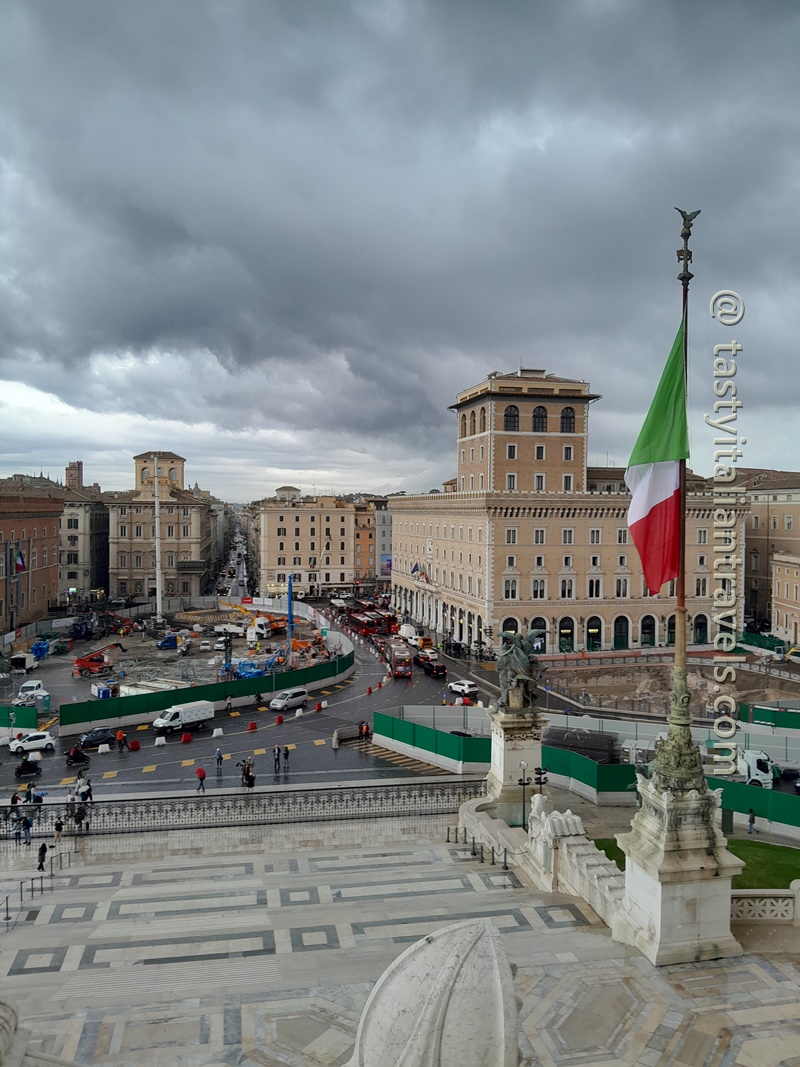 We enjoyed the free view from the Altare della Patria on a rainy November day
Each month bring something different. End of September is still like summer (depending on the year). October is lately one of the most popular months to visit Rome. That's why expect to pay a lot for hotels or apartment in this month as well book well in advance.
The food is exceptional at this time of year. Be sure to visit either Trionfale Market or Campo de’ Fiori Market to feast your eyes on all the beautiful autumn colours and seasonal produce, from pumpkins and pomegranates to grapes and chestnuts.
Our favourite activities during these months:
- Get your hands into the flour, add fresh eggs, and make traditional pasta dough in this cooking class we love recommending.
Visiting Rome in winter (Late December to late March)
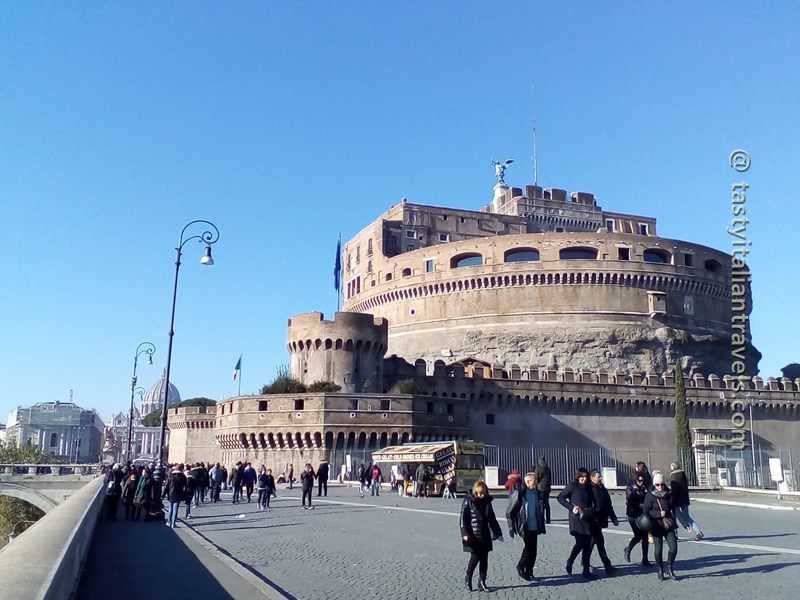
We’ve celebrated New Year’s in Rome many times, usually arriving after Christmas and staying until after January 1st.
We love enjoying the festive atmosphere, with Christmas trees in the piazzas and beautiful street decorations throughout the city.
Shop windows are filled with colourful panettone, tempting you to take one home. One year, we even found a delicious pistachio panettone at a great price at Rinascente on Via del Tritone!
After January 6th, Rome becomes much quieter and easier to explore.
Wait times at the Colosseum and the Pantheon are generally very short, especially on weekdays. Weekends tend to attract more local and domestic visitors, so if you want a quieter experience, weekdays are your best bet.
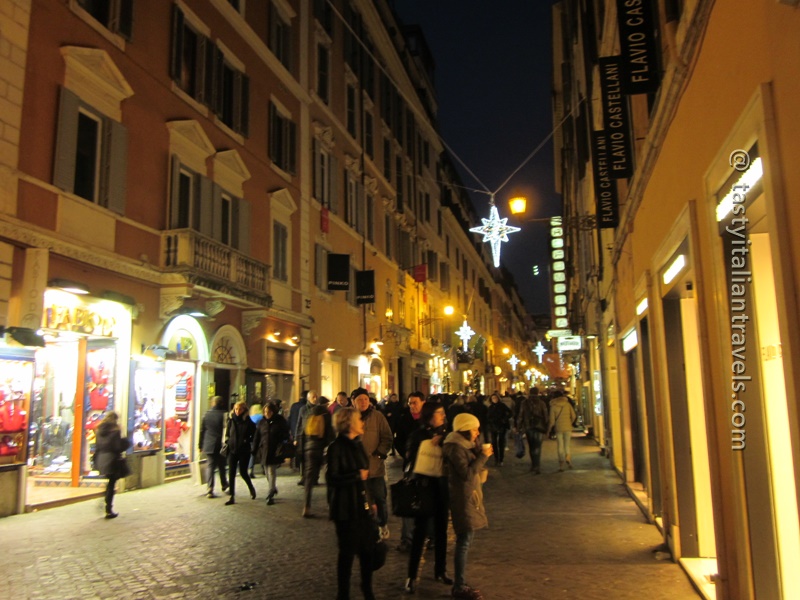 We love how Rome’s streets light up during the Christmas season
Why to visit Rome early in the year
There are fewer people
The beginning of the year is one of the best times to see Rome's most famous sights, including the Colosseum, without weaving through a sea of selfie sticks. You'll spend more time soaking up history and less time waiting for the perfect photo.
Hotel prices are lower
After the festive season, hotel prices often drop, making January and February one of the most affordable times to stay in Rome. That means more room in your budget for fresh pasta, creamy gelato, and maybe even an extra espresso or two.
Rome is more authentic
Winter brings a slower pace to the Eternal City. Wander through charming piazzas, linger in cosy cafés, and discover neighbourhoods where everyday Roman life takes centre stage. It's the perfect season to experience the city's authentic character beyond the famous landmarks.
Things we love doing in Rome in winter:
- Visiting the Vatican Museums and St Peter's Basilica
Best time to visit Rome for food lovers
Rome is a paradise for food lovers all year round.
Think fried zucchini flowers and artichokes in spring, ripe tomatoes and aubergines in summer, or roasted chestnuts sold by street vendors in autumn.
And let’s not forget the year-round favourites, such as mozzarella and other cheeses, prosciutto, guanciale, and mortadella.
Winter brings its own sweet treats, including panettone and pandoro, which you’ll find in shops and bakeries throughout the city.
No matter when you visit Rome, you’ll find plenty of delicious food to enjoy!
Best time to visit Rome for art lovers
For art lovers, spring and autumn are great times to visit Rome. The weather is comfortable, and you can take your time exploring places like the Vatican Museums, Borghese Gallery, Capitoline Museums, and MAXXI. If you prefer fewer crowds, winter can also be a good time to enjoy Rome’s museums and galleries at a slower pace.
Best time to visit Rome for sightseeing
Spring and autumn are great for sightseeing in Rome, with comfortable temperatures for exploring the city on foot. You’ll also find fewer crowds than in the busy summer months, making it easier to enjoy popular sights like the Colosseum, Roman Forum, and Trevi Fountain.
Best time to visit Rome for outdoor activities
Spring and autumn are ideal for outdoor activities in Rome, with pleasant temperatures for walking, cycling, and exploring the city. It’s a great time to enjoy parks and gardens like Villa Borghese, visit viewpoints, and spend more time outdoors without the intense summer heat.
Best time to visit Rome for shopping
We love shopping in Rome, whether it’s for clothes, shoes, fragrances, or beautiful kitchenware — the choice is endless. The best time to visit Rome for shopping is usually January and July, when the seasonal sales (saldi) bring great discounts in many shops and department stores.
We especially enjoy wandering through the Coin Excelsior on Via Cola di Rienzo, where you can find fashion, beauty products, and Italian brands all under one roof. If you visit around New Year, don’t miss the chance to pick up a traditional panettone from Rinascente Roma Tritone on Via del Tritone — they often go on sale after the holidays, making it the perfect time to enjoy a little Italian indulgence at a better price.
Whether you’re searching for designer fashion, unique souvenirs, or delicious Italian treats, shopping in Rome is always a pleasure.
👉 See Rome the easy way with our one-day itinerary.
More from Tasty Italian Travels
Pizza-Making Workshop in Naples
How Many Days to Spend in Rome
Within this webpage there are some affiliate links for products and services. For more details click here.
Welcome to Tasty Italian Travels
A little corner for Italy lovers, sharing our travels, favourite places, food finds, and moments that keep us coming back
What’s buzzing in Italy
-
Uffizi Reviews: What We Loved + Guide for Visiting (2026)
Sep 14, 26 04:46 AM
 Planning a visit to the Uffizi Gallery? Read our honest Uffizi reviews, what we loved, and must-know tips for visiting this world-famous Florence museum.
-
One Day in Milan (2026): What to See, Do & Eat
Sep 14, 26 04:29 AM
 Only have one day in Milan? Discover the must-see attractions, best shopping options, and local dining recommendations to make the most of your 24 hours in the city.
-
What to See in Rome in One Day: The Ultimate Itinerary, Tours & Tips
Sep 14, 26 04:27 AM
Discover what to see in Rome in one day with this first-time visitor itinerary covering the Colosseum, Roman Forum, Trevi Fountain, Pantheon, Piazza Navona and more. -
Bari to Monopoli 2026: Train & Transfer Options
Aug 15, 26 02:48 AM
Our Bari to Monopoli and back experience from last year. The train was the best and easiest way to travel, with beautiful coastal views along the way. -
Our Guide to Where to Stay in Rome
Aug 07, 26 02:22 PM
Not sure where to stay in Rome? We share our favorite areas and personal tips, from the Colosseum and Pantheon to the Vatican Museums and Trastevere. -
LivTours Rome Golf Cart Tour Review (2026)
Aug 02, 26 06:07 AM
Read our LivTours Golf Cart Tour in Rome review (2026). Find out if this guided tour is worth the price, what to expect, and our honest experience. -
24 Best Italy Food Tour Experiences (By City) - 2026 Guide 🍕
Jul 09, 26 07:19 AM
 Discover the best Italy food tours for 2026 — from Florence and Rome to Bologna and beyond. Experience authentic Italian cuisine, meet local guides, and book your perfect Italian food tour adventure t…
-
6 Best Food Tours in Rome for 2026 - Our Top Picks 🍕
Apr 13, 26 05:42 AM
 Looking for the best food tours in Rome to take in 2026? Read our freshly updated reviews of Rome food tours we’ve tried and loved.






Note!
© Tastyitaliantravels.com.
All rights reserved.
All images and content on this website are copyright protected. Please do not use our images and text without our permission.
Thank you!